

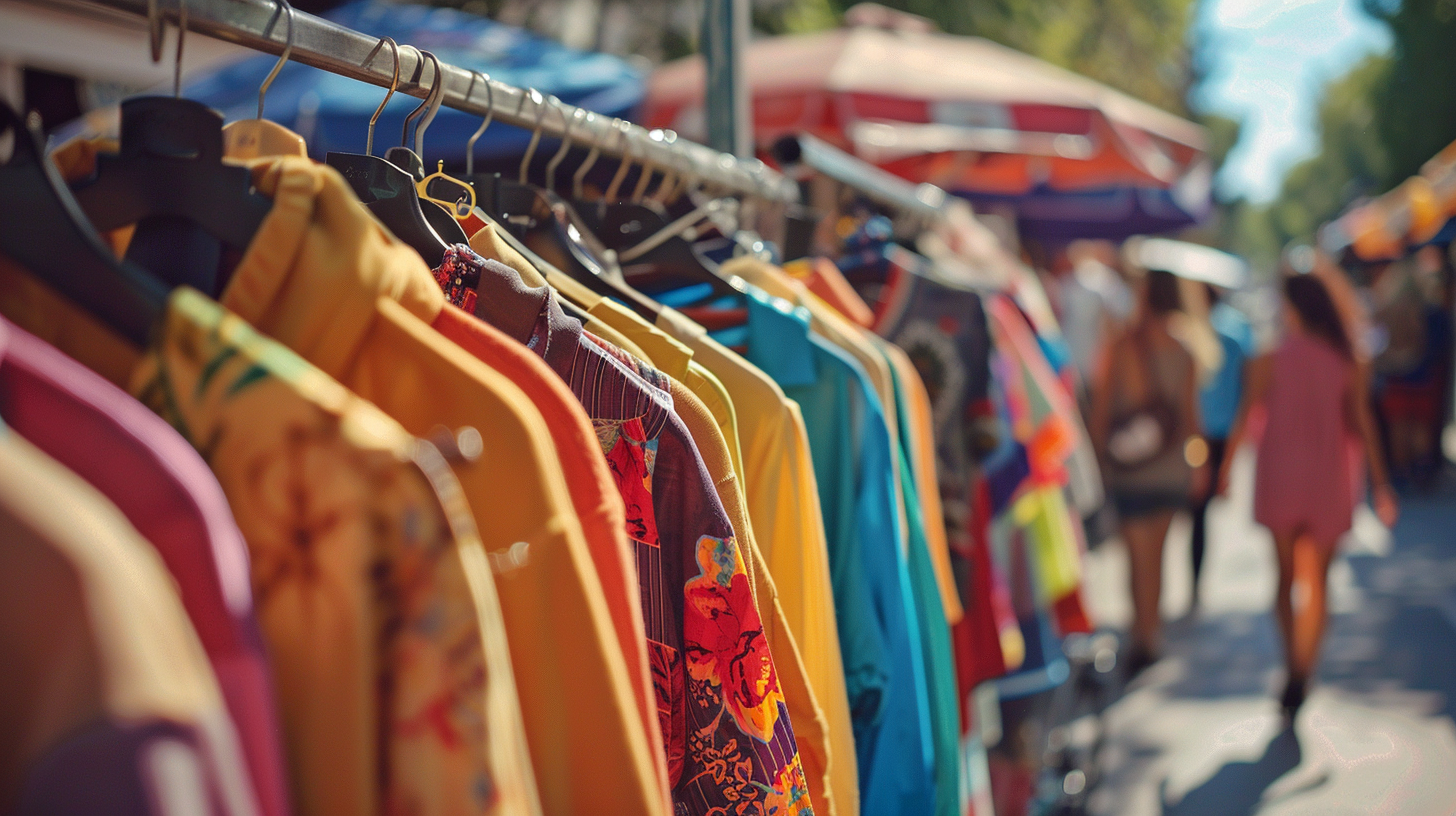
The fashion industry is undergoing a remarkable transformation as sustainability becomes a central focus for designers, manufacturers, and consumers alike. Traditional textile production often relies on resource intensive processes that consume vast amounts of water, energy, and chemicals. As awareness of environmental challenges grows, sustainable fabrics are emerging as practical alternatives that reduce waste while maintaining quality and style.
Modern consumers are increasingly looking beyond trends and considering the environmental impact of their clothing choices. This shift has encouraged fashion brands to invest in innovative materials that combine durability, comfort, and responsible production methods. Sustainable fabrics are no longer a niche concept but an important part of the industry’s future.
The Growing Demand For Eco Friendly Textiles And Sify Sts Login
The rise of digital awareness has made sustainability a global conversation, with people researching responsible purchasing decisions more than ever before. Online searches often cover a wide range of topics, from environmental initiatives to unrelated terms such as sify sts login, demonstrating how diverse internet activity has become. At the same time, consumers continue to educate themselves about eco friendly fabrics before making purchasing decisions.
Organic cotton has become one of the most widely adopted sustainable materials because it is cultivated without harmful pesticides and requires fewer synthetic chemicals. Hemp is another excellent option due to its rapid growth, low water requirements, and exceptional durability. Linen, produced from flax plants, also remains a preferred choice because of its minimal environmental footprint.
These materials help reduce pollution while offering breathable, comfortable, and long lasting clothing that appeals to environmentally conscious shoppers.
Innovative Materials And PM Kisan Yojana 20th Installment Kyc
Innovation has introduced a variety of exciting fabrics that extend beyond traditional natural fibers. Textile manufacturers now produce materials from bamboo, recycled polyester, regenerated nylon, and responsibly sourced wood pulp. These fabrics provide impressive performance while reducing dependence on virgin resources.
Recycled polyester, for example, transforms discarded plastic bottles into high quality fibers, preventing waste from reaching landfills and oceans. Similarly, regenerated nylon gives fishing nets and industrial waste a second life through advanced recycling technologies.
Many online users also search for unrelated government service terms such as pm kisan yojana 20th installment kyc, illustrating the broad spectrum of digital interests while sustainable fashion continues to gain worldwide attention.
Circular Fashion And Pmmvy 2.0 Login
Sustainability extends beyond fabric selection. The concept of circular fashion encourages clothing to remain in use for as long as possible through repairing, recycling, reselling, and upcycling. Instead of following a disposable model, brands now design garments with durability and recyclability in mind.
Consumers are also embracing second hand shopping, clothing rental services, and garment repair programs. These practices significantly reduce textile waste while extending the lifespan of valuable materials.
Digital platforms serve many different purposes, and people frequently search for services such as pmmvy 2.0 login alongside shopping and lifestyle information. Meanwhile, fashion companies continue investing in systems that support transparent supply chains and responsible production methods.
Technology Supporting Sustainable Production Through Digishakti Ekyc
Technology is playing a significant role in making sustainable fabrics more accessible. Artificial intelligence helps manufacturers optimize material usage, while blockchain technology improves supply chain transparency by tracking the origin of raw materials. Advanced dyeing techniques also reduce water consumption and chemical waste.
Researchers continue developing bio based fabrics from agricultural waste, algae, mushrooms, and even fruit residues. These innovative materials promise to further reduce environmental impact while offering unique textures and performance characteristics.
Digital ecosystems support numerous services across industries, leading many users to search for phrases such as digishakti ekyc while exploring various online platforms. In fashion, digital innovation is enabling brands to make smarter production decisions that benefit both businesses and the environment.
Why Consumers Drive The Change?
Consumer purchasing decisions have become one of the strongest forces behind sustainable fashion. People increasingly value transparency, ethical sourcing, and environmentally responsible manufacturing. Brands that openly communicate their sustainability efforts often build stronger customer trust and long term loyalty.
Education has also empowered shoppers to recognize certifications, understand fabric composition, and identify environmentally friendly products. As awareness grows, companies face greater pressure to improve labor conditions, reduce emissions, and eliminate unnecessary waste throughout their operations.
The growing demand for responsible fashion encourages continuous innovation, ensuring that sustainability becomes a permanent feature rather than a temporary trend.
Conclusion
Sustainable fabrics are reshaping the fashion industry by offering environmentally responsible alternatives without compromising quality, comfort, or style. From organic cotton and hemp to recycled fibers and next generation bio materials, these innovations demonstrate that fashion can successfully balance creativity with environmental responsibility. As technology advances and consumer awareness continues to increase, sustainable textiles will become even more accessible and affordable. Brands that embrace responsible production practices today are positioning themselves for long term success while contributing to a healthier planet. By choosing garments made from sustainable fabrics, every consumer can play a meaningful role in creating a more resilient and environmentally conscious fashion industry.