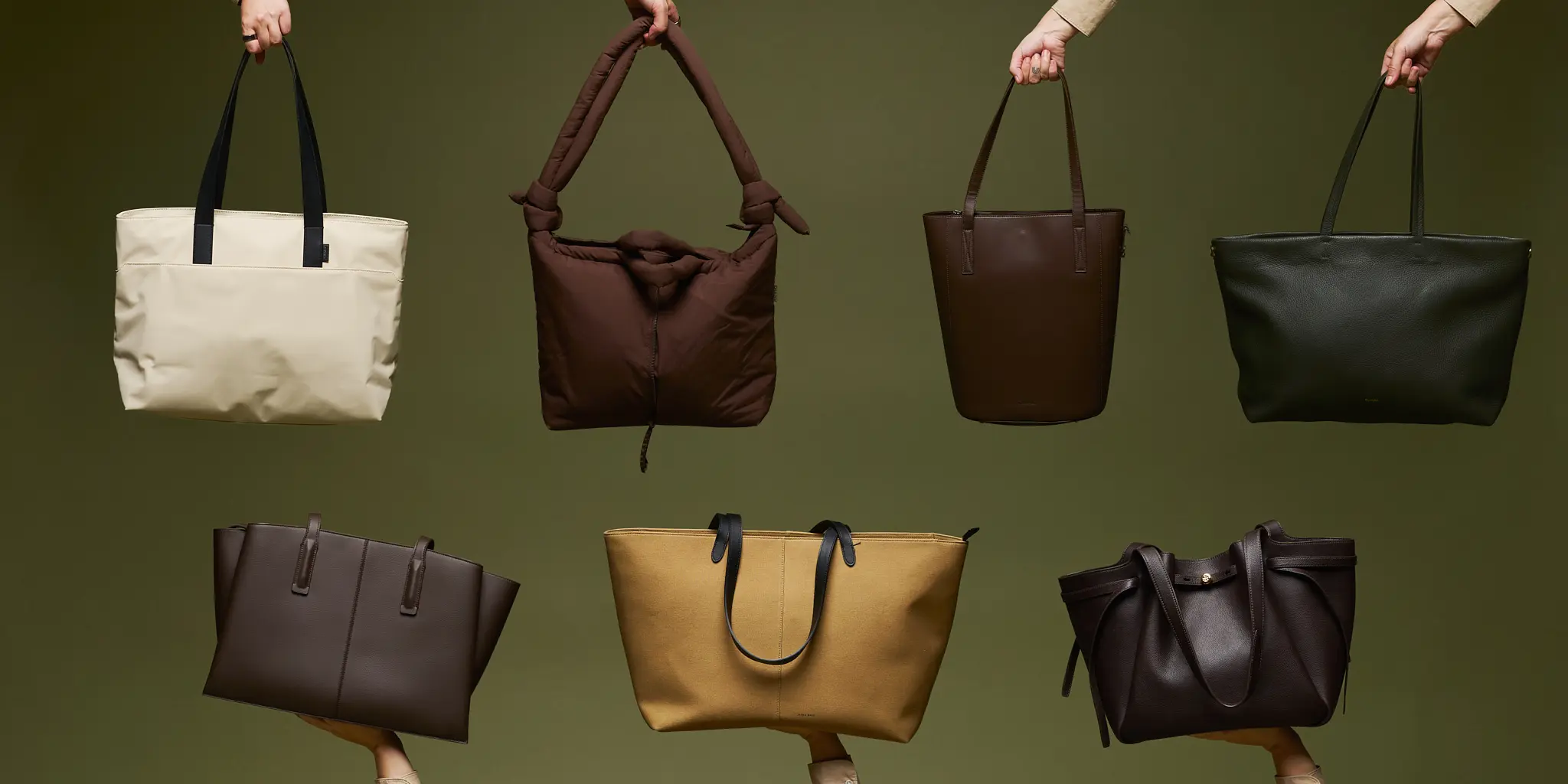

Spending less on clothes usually improves a wardrobe rather than compromising it, because most wasted money goes on items that are never worn. The average household owns a substantial quantity of clothing it does not use, and that unworn portion is where the budget actually went.
The strategies below are about buying better rather than buying cheaper, which frequently costs less overall.
Cost Per Wear, Not Price
The only honest measure of value in clothing. Divide the price by the number of times you will realistically wear it.
| Item | Price | Realistic wears | Cost per wear |
|---|---|---|---|
| Everyday coat | £180 | 400 over four winters | About 45p |
| Well-fitting jeans | £70 | 250 | About 28p |
| Plain t-shirt | £12 | 100 | About 12p |
| Occasion dress worn twice | £90 | 2 | £45 |
| Trend item worn once | £35 | 1 | £35 |
The lesson is not to avoid occasion wear. It is that the cheap trend item and the expensive coat sit on opposite ends of the value scale from where their price tags suggest.
Where to Spend and Where Not To
- Spend on outerwear. Worn most, replaced least, and construction genuinely differs.
- Spend on shoes, particularly repairable ones. A resoleable pair can outlast several cheap ones.
- Spend on knitwear. Fibre quality determines whether it bobbles in a month or lasts a decade.
- Spend on alterations. The highest return available. A modest tailoring bill improves things you already own.
- Save on plain basics. T-shirts and simple tops differ less than price suggests and wear out regardless.
- Save on trend items. Buy them second-hand, because they turn over fast and resale is well supplied.
- Save on occasion wear by hiring or buying resold, since it is worn rarely.
Second-Hand Is the Biggest Single Saving
The UK has unusually good second-hand provision — charity shops, dress agencies, vintage districts, car boot sales and several established resale platforms. Quality per pound is frequently better than new at the same price, particularly for wool coats, knitwear, denim and leather goods.
Practical approach: know your measurements rather than your nominal size, since sizing varies wildly between brands and eras. Check seams, zips and underarms, which is where wear shows first. And factor in the cost of alterations, which often still leaves you ahead.
Timing Matters More Than Discount Hunting
- Buy seasonal items at the end of the season. A winter coat in February for next year is the single most economical timing available.
- Wait out the initial markdown. Prices generally fall further a few weeks into a sale, at the cost of reduced choice.
- Avoid buying in the sale things you would not buy at full price. A discount on something unwanted is not a saving.
- Use a waiting period. A few days between wanting and buying removes most impulse purchases.
- Check returns policies before buying online, particularly whether return postage is charged.
- Ignore artificial urgency. Countdown timers and low-stock warnings are frequently marketing rather than fact.
Questions Before Buying Anything
- What in my wardrobe does this go with? If the answer is one item, reconsider.
- When specifically will I wear it? A vague occasion usually means never.
- Does it fit now, without a plan for it to fit later?
- What is it made of, and how is it washed?
- Would I buy this at full price?
- Do I already own something that does this job?
That last question catches a surprising proportion of purchases.
Markets, Charity Shops and Local Retail
Affordable shopping is strongly local, and provision differs considerably between towns. Market days, charity shop clusters, dress agencies and independent discounters are all local knowledge, and changes are reported locally.
In the North West, market and retail coverage appears in the Manchester Chronicle and Liverpool Tribune. Yorkshire markets and charity retail are followed by Leeds Angle, Sheffield Voice and Bradford Daily.
Scottish retail and charity sector news comes via Glasgow Bulletin and Edinburgh Scope, with the Belfast Record covering Northern Ireland and its long-established city markets. Midlands markets appear in Birmingham Focus, Coventry Insight, Leicester Echo, Derby Digest and Nottingham Times.
The Newcastle Brief and Hull Report cover North East and Humber retail. Brighton Update reports from a well-supplied vintage and second-hand scene, with Southampton Ledger, Plymouth Wire and Bristol Outlook covering southern independents. London markets and resale are covered by London Signals and Capital Outlook, with retail trade reporting in Trade Mirror. Cost-of-living and household support updates appear via DWP UK Latest News.
Frequently Asked Questions
Is fast fashion ever the right choice?
For genuinely short-lived needs it can be, though second-hand usually costs less and lasts longer for the same money. The real cost of fast fashion is the low wear count rather than the price.
How do I judge quality quickly?
Check the fibre content label, look at the seams inside, test the zip, and hold it up to the light to judge fabric density. Those four checks take a minute and catch most poor construction.
Are buy-now-pay-later options worth using?
They spread cost without interest if repaid on time, and missed payments can carry charges and affect credit records depending on the provider. Read the terms, and treat them as credit rather than as a discount.
What is the single biggest saving?
Buying less. The second biggest is buying second-hand. The third is having what you own altered so you actually wear it.
Further Reading
Retail, consumer and cost-of-living reporting appears across News Notes, Local News Point, Weekly Journal and Trends Archive. Retailers and charities seeking coverage use agencies listed via Local PR Services, PR Directory and Press Hubs.
The Bottom Line
Judge everything by cost per wear. Spend on outerwear, shoes, knitwear and alterations; save on basics, trends and occasion wear.
Buy seasonal items at the end of the season, go second-hand wherever it is available, and ask what a prospective purchase goes with before buying it. The cheapest wardrobe is the one where everything gets worn.
This article offers general styling and garment care guidance for a UK readership. Retail availability, pricing and stockists change frequently, and no specific product endorsement is intended. Style is personal, and suggestions here are starting points rather than rules. Always follow the care label on the individual garment; where a label conflicts with general advice here, follow the label.