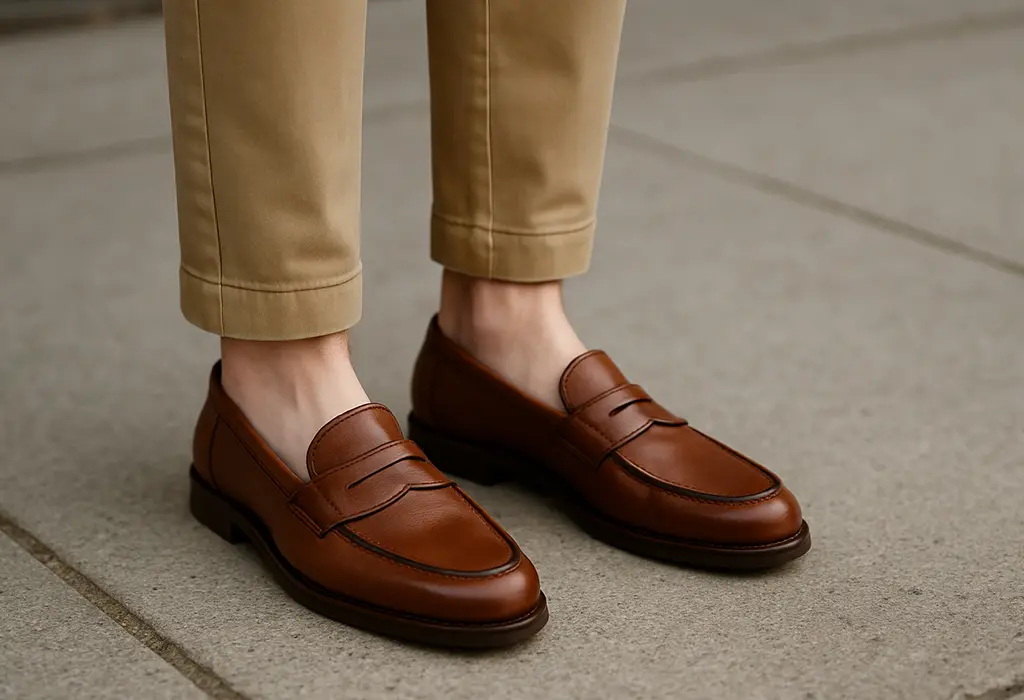
Shoes can change the entire mood of an outfit before the jacket, bag, or jewelry gets a chance to speak. That is why two tone loafers have moved from quiet menswear corners into everyday American closets with surprising force. They keep the calm structure people already trust, then add enough contrast to feel current without begging for attention. A pair can make straight-leg jeans look intentional, soften office trousers, or give a simple black dress a smarter edge. The charm is not loudness. It is control. You get color, shape, and character in one small decision. For readers who follow practical fashion coverage for American readers through style and lifestyle updates, this kind of shoe makes sense because it solves a common problem: how to look fresh without rebuilding your wardrobe. The best pairs do not feel costume-like. They feel like the loafer finally remembered it could have a little fun.
Why Color Contrast Works So Well in Everyday Footwear
Contrast has power because the eye reads it quickly. A solid shoe can fade into the rest of an outfit, but a split-tone design creates a small focal point near the ground. That detail matters more than people think, especially in American daily style where outfits often stay casual, practical, and repeatable.
A good contrast shoe does not need loud clothing around it. In fact, it often works better when the rest of the outfit stays calm. That is where the upgrade feels smart rather than forced.
Color Block Loafers Add Shape Without Extra Styling
Color block loafers create visual structure before you add accessories. A cream-and-brown pair, for example, can make blue jeans and a white tee look styled instead of thrown together. The shoe carries the detail so the outfit does not need much else.
This helps on busy mornings when you want to look pulled together but do not want to think for twenty minutes. The contrast gives your outfit an anchor. It also makes basics feel less flat, which is why this design works so well with capsule wardrobes.
The unexpected part is that contrast can actually make a shoe easier to wear. A two-color pair can connect with more pieces in your closet than a single-color pair. One shade may match your belt, while the other picks up your jacket, bag, or sweater.
Classic Leather Loafers Still Need Personality
Classic leather loafers earned their place because they are clean, steady, and easy to dress up. Yet that same dependability can turn dull when every pair looks like it came from the same office shelf. A split-tone finish fixes that without damaging the shoe’s polished roots.
Think of a navy-and-burgundy pair with cuffed chinos in Boston, or a tan-and-white pair with relaxed denim in Austin. The shape stays familiar, but the color choice adds a little regional flavor. It says the wearer noticed the details.
That is the real shift. Loafers are no longer trapped between business casual and preppy weekend wear. They can still look grown-up, but now they can wink a little too.
How Two Tone Loafers Fit Modern American Wardrobes
Most people do not need more shoes that only work with one outfit. They need pieces that travel between workdays, dinners, errands, and weekend plans. Two tone loafers earn their space because they can cross those lines without feeling confused.
The trick is choosing contrast that matches your real life. A high-drama black-and-white pair makes sense for someone with sharp tailoring. A softer beige-and-brown pair suits someone who wears denim, knits, and easy jackets most days.
Modern Loafer Style Works Beyond Office Outfits
Modern loafer style has moved far beyond cubicles and conference rooms. You can wear loafers with cropped jeans, midi skirts, sweater dresses, linen trousers, or even tailored shorts. The shape gives polish, while the color play keeps the look from feeling stiff.
A woman in Chicago might wear black-and-cream loafers with dark denim, a charcoal coat, and a crossbody bag. A man in Los Angeles might wear brown-and-tan loafers with relaxed trousers and a camp-collar shirt. Both outfits feel different, yet the shoe logic is the same.
The useful part is that loafers sit between sneakers and dress shoes. They are cleaner than sneakers, less formal than oxfords, and more interesting than plain flats. That middle ground is where modern closets do most of their work.
Playful Footwear Can Still Look Grown-Up
Playful footwear often gets treated like it belongs only to bold dressers, but that misses the point. Playfulness can be quiet. A small panel of cream leather against deep brown can feel more tasteful than a bright sneaker covered in logos.
This is where balance matters. The loafer shape brings discipline. The color contrast brings movement. Together, they create a shoe that feels expressive without turning into a fashion stunt.
A useful rule is simple: if the colors are bold, keep the outfit steady. If the colors are soft, you can add more texture around them. That one decision prevents the look from becoming noisy.
Choosing the Right Pair for Your Closet
A great shoe should make getting dressed easier, not more complicated. The wrong contrast can sit in your closet because it looks exciting in a product photo but awkward with your real clothes. The right pair quietly works with what you already own.
Start with the colors you wear most. If your closet leans black, gray, denim, and white, choose black-and-cream or black-and-burgundy. If you wear camel, olive, navy, and warm neutrals, brown-and-tan will likely work harder.
Color Block Loafers Should Match Your Clothing Habits
Color block loafers look best when at least one color already appears in your wardrobe. That does not mean the shade must match perfectly. It only needs to feel related. A cognac panel can connect with a camel coat, a brown belt, or even tortoise sunglasses.
Material changes the mood too. Smooth leather feels polished. Suede feels softer. Patent leather adds shine and can push the shoe toward evening wear. Mixed materials can look rich, but they need cleaner outfits around them.
Pay attention to the sole. A slim sole feels dressier and works well with trousers or skirts. A chunky sole feels current and pairs better with relaxed denim, wide-leg pants, and heavier coats. The sole decides more than people admit.
Classic Leather Loafers Reward Better Fit
Classic leather loafers should feel secure through the heel and comfortable across the widest part of the foot. If the heel slips badly in the store, it may not magically improve later. Leather can soften, but a poor fit rarely becomes a good one.
American shoppers often buy loafers too loose because they fear stiffness. That creates rubbing, sliding, and a sloppy shape after a few wears. A better approach is to choose firm comfort, then let the leather settle with use.
The quiet test is walking speed. If you can move naturally without curling your toes to hold the shoe, you are close. If your foot fights the shoe, keep looking.
Styling Them Without Making the Outfit Feel Busy
The best styling does not announce itself. It lets one piece lead and lets everything else support it. With contrast loafers, the shoe already has a voice, so the rest of the outfit needs intention rather than decoration.
This does not mean dressing plain. It means choosing one or two strong ideas and letting them breathe. Texture, proportion, and color echo matter more than piling on accessories.
Modern Loafer Style Looks Best With Clean Lines
Modern loafer style pairs well with clean hems because the shoe deserves to be seen. Cropped trousers, ankle-length jeans, and midi skirts all create space around the foot. That little break lets the contrast do its job.
Wide-leg pants can work beautifully, but the hem should not swallow the shoe. A slight crop or gentle break keeps the look sharp. If the pants drag, the detail disappears, and the outfit loses the point.
For office outfits, try tailored trousers, a fine knit, and a simple blazer. For weekends, use straight denim, a tucked tee, and a relaxed jacket. The same shoes can handle both because the structure stays steady.
Playful Footwear Needs One Quiet Anchor
Playful footwear works best when something else in the outfit calms it down. That anchor might be dark denim, a plain sweater, a long coat, or a simple leather bag. The anchor gives the shoe room to be interesting.
A black-and-white loafer with a red sweater may look sharp if the pants stay simple. The same shoe with patterned pants, a printed blouse, and a bright bag can feel crowded. More detail does not always mean more style.
One smart move is to repeat only one shoe color elsewhere. If the loafer has brown and cream, choose a brown belt or cream knit, not both every time. A light echo feels natural. A perfect match can feel stiff.
Two Tone Loafers as a Long-Term Style Buy
Trends come and go, but some pieces survive because they solve a repeat problem. Two tone loafers do exactly that. They give you polish, comfort, and personality in a form that still feels familiar enough for daily wear.
The smartest pair is not always the loudest one. It is the pair you can wear with jeans on Friday, trousers on Monday, and a dinner outfit without feeling underdressed. That kind of range matters more than a dramatic first impression.
Before buying, look at your closet honestly. Choose colors that connect with what you already own, pick a shape that suits your daily pace, and avoid pairs that only work in your imagination. Style improves when your shoes support your life instead of fighting it. Start with one pair you can wear this week, then let the compliments prove the choice.
Frequently Asked Questions
Are two color loafers still in style for everyday outfits?
Yes, they fit current everyday style because they mix polish with personality. The shape stays timeless, while the contrast adds freshness. They work especially well with jeans, trousers, skirts, and simple dresses.
What colors are easiest to wear in contrast loafers?
Brown and cream, black and white, tan and ivory, and burgundy with navy are easy choices. These combinations connect well with common American wardrobes built around denim, neutrals, coats, and simple knits.
Can contrast loafers be worn to work?
Yes, they can work in many business casual offices. Choose smoother leather, moderate contrast, and a clean sole. Pair them with tailored pants, button-down shirts, fine sweaters, or structured blazers for a polished look.
Do split color loafers work with jeans?
They work well with straight, cropped, relaxed, and wide-leg jeans. The key is showing enough of the shoe. If the denim covers the upper completely, the contrast detail loses its effect.
Are chunky sole loafers better than slim sole loafers?
Chunky soles feel more current and casual, while slim soles look dressier. Choose chunky soles for denim, wide-leg pants, and heavier layers. Choose slim soles for office outfits, skirts, and sharper tailoring.
How should men style contrast loafers casually?
Men can pair them with cuffed chinos, straight jeans, knit polos, camp-collar shirts, or relaxed blazers. Keeping the outfit simple lets the shoe detail look intentional instead of overly styled.
How should women style split tone loafers?
Women can wear them with cropped jeans, midi skirts, sweater dresses, tailored pants, or relaxed suits. A simple bag or belt that echoes one shoe color can tie the outfit together without making it matchy.
Are contrast loafers worth buying for a capsule wardrobe?
Yes, if the colors match pieces you already wear often. They can replace plain flats, dress shoes, or casual slip-ons in many outfits. A neutral contrast pair adds variety without taking up extra styling effort.