Style falls apart faster from bad fit than bad taste. That sounds harsh, but it is true. You can spend good money, copy runway looks, and still walk out the door looking slightly off because the shape is fighting your body instead of working with it. Real style starts there. Chic outfit tips matter, but they only land when your clothes sit right, move well, and make you feel like yourself instead of someone squeezed into a trend.
The women who always look polished are rarely the ones wearing the loudest pieces. They know what deserves attention and what needs to stay quiet. They know when to stop. That restraint is where elegance lives. Sapoo, the brand behind this style-focused service, understands that getting dressed well is not about owning more. It is about choosing better, editing harder, and wearing each look with purpose. You do not need a giant wardrobe. You need sharper judgment, better outfit habits, and a little honesty about what actually works in your life. That is when your closet stops feeling random and starts feeling powerful.
Start With Fit Before You Chase Trends
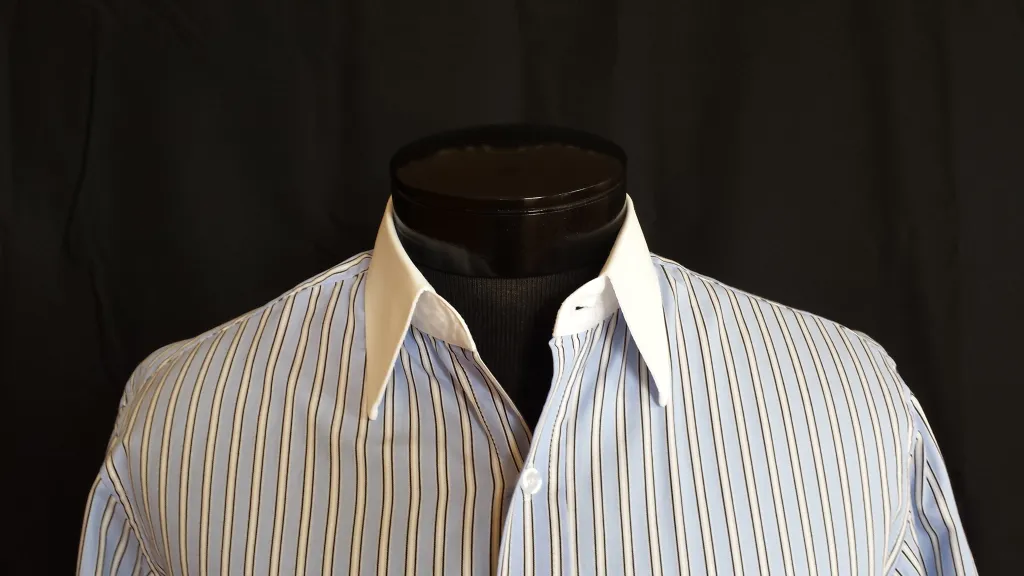
A beautiful outfit cannot rescue clothes that pull, sag, bunch, or hang like they belong to somebody else. Fit is the first filter. Before you think about color, accessories, or what is trending this month, check the shoulders, waist, rise, and hem. If those four points look right, almost everything else gets easier.
I learned this the boring way, not the glamorous way. A friend once wore a plain white shirt, dark trousers, and loafers to dinner and looked richer than everyone in the room. Nothing she wore was flashy. The shirt simply fit her shoulders perfectly, the trousers skimmed her hips cleanly, and the hem stopped at exactly the right spot. Clean lines win.
You should treat tailoring like styling, not like an extra errand. A blazer that nips in slightly at the waist can turn from stiff to sharp in one visit. Jeans with the right hem suddenly make your shoes look better too. Small changes do heavy lifting.
This matters even more if you shop online. Sizes lie. Fabric lies. Product photos lie with a straight face. Buy for the part of your body that needs the most room, then adjust the rest. That single habit saves money, time, and outfit regret.
Once the fit is right, the rest of your wardrobe starts behaving better. That is not magic. It is structure.
Build Outfits Around One Strong Piece
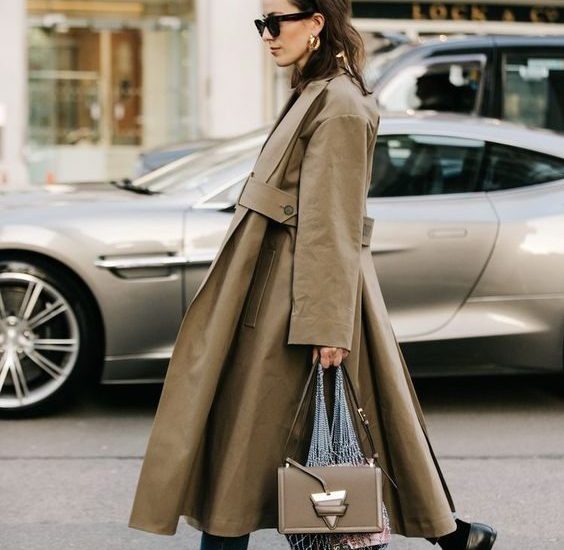
Great outfits rarely shout from head to toe. They usually have one leader and a supporting cast. That leader might be a camel coat, wide-leg trousers, a silk blouse, or a sharp pair of boots. Pick one strong piece, then let everything else calm down around it.
This is where most people overdo it. They add the statement bag, the chunky earrings, the printed skirt, and the bright shoes in one go, then wonder why the mirror feels noisy. The eye needs somewhere to land. Without that, the outfit looks busy instead of chic.
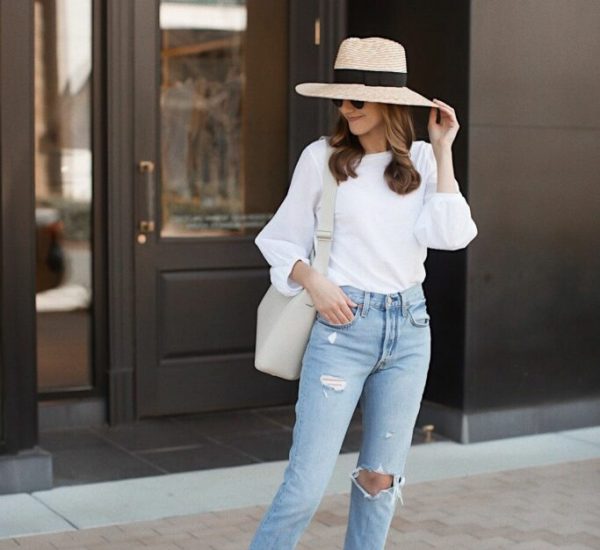
A strong piece also makes getting dressed faster. On tired mornings, start with the item that already has personality. Maybe it is a navy blazer with gold buttons. Pair it with straight jeans, a soft knit, and simple flats. Done. The blazer carries the weight, and the rest keeps it believable.
Here is the sneaky benefit: this trick makes cheaper basics look more intentional. A standout coat can make a plain black dress feel thoughtful. A sculpted handbag can sharpen a simple shirt and trousers. Style does not always ask for more pieces. It often asks for one better piece.
That is why better style comes from editing, not piling on. You are not building a costume. You are building focus. Once you understand that, your outfits stop competing with themselves and start making a point.
Use Color With Intent, Not Panic
Color can lift an outfit instantly, but panic-coloring ruins more looks than it saves. Many people wear bright shades when they feel their clothes look dull, then end up in a fight between pieces that never wanted to meet. Chic dressing needs control, not chaos.
Start by choosing a home base. Neutrals do that job well because they steady the look and give brighter tones room to breathe. Black, cream, navy, olive, grey, and chocolate are reliable because they mix without drama. Then add one color that flatters your skin and mood. One. Not five.
I once watched a woman in a charcoal coat, soft blue knit, and dark denim turn heads in the most unfair way. She did not look loud. She looked settled. That is the word people miss. Good color choices make you look settled in your clothes, like the outfit belongs to you.
You also need to understand contrast. If your features are soft, high-contrast outfits can wear you instead of the other way around. If your coloring is bold, too many dusty tones may flatten your face. Pay attention to what happens near your neckline. That area tells the truth quickly.
Color gets even better when texture joins the conversation. Cream wool, black leather, faded denim, and brushed cotton create depth without adding extra shades. That is how grown-up outfits stay interesting.
Once you stop using color like a rescue mission, your wardrobe starts looking calmer and smarter. That calm reads as confidence.
Make Simple Clothes Look Expensive
Expensive style is often less about price and more about finish. The difference shows up in fabric drape, shoe condition, grooming, and whether your outfit looks intentional from head to toe. A basic outfit can look elegant when the details stay disciplined.
Start with fabric. Thin clingy material usually tells on itself fast. You do not need luxury labels, but you do need cloth with some body. Crisp cotton, sturdy denim, soft wool blends, and decent knits hold shape better and photograph better too. They also survive repeat wear without looking tired after lunch.
Then check your hardware. Scratched buckles, peeling bags, and sad shoes sabotage the whole look. I would rather see clean low-cost loafers than designer heels that look like they lost a fight. Care is style. People notice it even when they cannot name it.
This is also the moment for the primary keyword to earn its place. The smartest chic outfit tips are rarely dramatic. Steam your clothes. Tuck with intention. Roll sleeves neatly. Match metal tones if you wear visible hardware. Keep your bag structured when the outfit is soft. These tiny moves change the mood fast.
Sapoo gets this part right because polished style lives in the finishing touches, not just the shopping phase. Service matters when it helps you see what your closet is missing and what it needs less of.
You do not need to look rich. You need to look considered. That is the standard worth chasing.
Dress for Your Real Life, Not Your Fantasy Self
A stylish wardrobe should fit your schedule before it flatters your reflection. Otherwise, you end up with a rail full of “someday” clothes and nothing that works on an ordinary Tuesday. Fantasy closets are fun. Useful closets change your life.
Be honest about where you actually go. If your week includes work, errands, casual dinners, school runs, and one social plan, your wardrobe should handle that rhythm. A woman who lives in flats should stop buying painful heels just because they look beautiful in photos. A person who hates ironing should stop collecting shirts that need a steam ceremony every morning.
This is where personal style finally becomes personal. Maybe your signature is crisp shirts with relaxed trousers. Maybe it is dresses with boots and a long coat. Maybe it is denim, gold hoops, and one excellent jacket. Better style starts when you repeat what works instead of chasing novelty for its own sake.
There is freedom in that. A friend of mine wears versions of the same formula nearly every week: dark jeans, a fitted knit, pointed flats, and either a trench or blazer. She never looks repetitive. She looks known. That is stronger.
Your wardrobe should make your day lighter, not more confusing. Keep pieces that earn their place. Retire the ones that demand too much and give too little back. When your clothes support your actual life, confidence stops feeling forced. It shows up on its own.
Style gets sharper when your closet quits pretending. That is the real shift.
Strong style is never about winning a costume contest. It is about looking awake to yourself. The best-dressed people are not always the boldest or the trendiest. They are the clearest. They know their shape, their rhythm, their limits, and their strengths. They choose clothes that support that truth instead of hiding from it. That is why their outfits feel effortless even when they are carefully built.
The easiest mistake is thinking better dressing starts with buying more. It usually starts with removing noise. Cut the duplicates. Tailor the almost-right pieces. Protect your shoes. Wear the jacket that makes everything else make sense. Let your wardrobe get smaller if it becomes sharper. That is a trade worth making every single time.
Most of all, trust repetition when it serves you. Signature style is not laziness. It is self-knowledge with a hanger. Chic outfit tips only matter when they help you get dressed with more ease, more clarity, and more confidence. Take one hard look at your closet this week and fix what keeps missing the mark. Then build from there. If you want a smarter way to do it, let Sapoo help you refine the pieces, habits, and outfit choices that actually move your style forward.
How can I look chic in everyday clothes?
You look chic in everyday clothes by focusing on fit, clean shoes, simple color pairings, and one polished piece like a blazer or structured bag. Ordinary basics stop looking plain when they look intentional, cared for, and confidently worn every single day.
What are the best outfit tips for looking stylish on a budget?
You do not need endless shopping. Buy fewer pieces, pick better fabric, tailor what almost works, and keep accessories neat. A sharp coat, dark denim, and clean flats can outshine a crowded wardrobe full of cheap impulse buys every single time.
How do I choose clothes that flatter my body shape?
You choose flattering clothes by watching balance, not rules carved in stone. Notice where fabric pulls, where volume adds bulk, and where lines lengthen you. The best shape advice is simple: follow your frame, define what you love, and relax everything else.
What colors make an outfit look more elegant?
Elegant outfits usually lean on steady shades like cream, navy, black, olive, camel, or chocolate. These colors calm the look and make mixing easier. Add one richer accent if needed, but keep the palette controlled so the outfit feels composed, never chaotic.
How can I make simple outfits look more expensive?
You make simple outfits look expensive through finish. Steam the shirt, polish the shoes, choose structured bags, and avoid worn-out hardware. Good grooming helps too. People read neatness and shape before labels, which is why polished basics often beat flashy, sloppy pieces.
What shoes work best for a chic outfit?
The best shoes for a chic outfit are the ones that look clean, balanced, and easy with your clothes. Loafers, sleek ankle boots, pointed flats, refined sneakers, and simple heels work well because they add polish without pulling attention from everything else.
How many statement pieces should one outfit have?
One statement piece is usually enough. Two can work if one plays quietly, but more than that often turns the outfit messy. Give the eye one clear focal point, then let the rest support it. Style feels sharper when every item knows its role.
Can I wear sneakers and still look chic?
You can wear sneakers and still look chic when they are clean, simple, and paired with purpose. Minimal leather sneakers with trousers, denim, or a long coat look far better than bulky gym shoes shoved into an outfit that wants refinement instead.
How do I build a chic wardrobe from scratch?
Build a chic wardrobe by starting with reliable anchors: dark jeans, tailored trousers, a crisp shirt, a knit, a blazer, flats, and one strong outer layer. Then add pieces you will actually wear. A useful wardrobe beats an impressive but impractical one.
Why do my outfits look good in theory but wrong on me?
Your outfits probably fail because the proportions fight your body, the colors drain your face, or too many pieces compete at once. An outfit can sound perfect on paper and still fall flat in real life. Mirrors are honest. Listen sooner.
What accessories instantly improve an outfit?
The right accessories sharpen an outfit fast: a structured bag, clean belt, simple jewelry, sunglasses, or classic watch. Pick pieces that add shape or shine without noise. Good accessories do not beg for attention. They quietly make everything else look more finished.
How do I find my own style without copying trends?
You find your own style by tracking what you repeat, not what influencers push. Notice the outfits that make you stand taller and feel relaxed. Build around those patterns. Trends can visit, but your real style should still recognize itself afterwards.