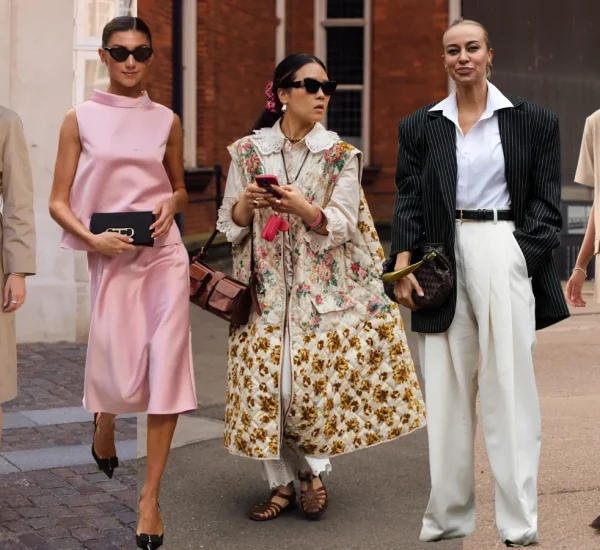
Bold truth: most style problems start long before you get dressed. They start when you buy pieces with no plan, then expect magic at 8:10 in the morning. That is why trendy outfit planning matters more than another random haul.
You do not need a giant wardrobe to look sharp. You need a wardrobe that behaves. That means fewer impulse buys, more pieces that speak to each other, and a clearer sense of what you actually wear when real life shows up.
I learned this the hard way after owning jackets I loved, shoes I admired, and trousers that made no sense with either. The closet looked full. My options felt thin. Once I started planning outfits instead of collecting items, getting dressed stopped feeling like a daily negotiation.
That shift is where style gets interesting. Brands like Sapoo understand the appeal of a polished look, but the real win happens when you know how to turn individual pieces into repeatable, flattering outfits that still feel fresh every time you step out.
Why Great Style Starts Before You Open the Closet
Smart style begins in the quiet moment before you touch a hanger. If your wardrobe has no structure, your mornings turn into rushed guesswork, and rushed guesswork usually produces forgettable outfits.
A strong closet works like a good kitchen. You do not need fifty ingredients. You need the right ones. A fitted blazer, relaxed jeans, a clean white shirt, a knit top, one solid dress, and shoes you can actually walk in will beat a pile of trendy clutter every single time.
I have seen women buy a statement skirt because it looked amazing online, then wear it once because nothing else at home supported it. That is not a shopping problem. It is a planning problem. The fix starts with asking one hard question: what will this piece pair with at least three different ways?
That question changes everything. It forces you to buy with intention, edit without guilt, and stop treating style like luck. Good outfits rarely happen by accident. They happen because you built a system that makes good choices easier.
How Trendy Outfit Planning Saves Time and Bad Decisions
Once your wardrobe has direction, your mornings stop feeling dramatic. You spend less time staring, less money correcting bad purchases, and far less energy trying to make one awkward piece earn its place.
This is where chic outfit ideas become useful, but only when they fit your life. A pinned look with a wool coat, pointed heels, and a tiny bag may look gorgeous online. It also falls apart if you commute, chase deadlines, or live somewhere that laughs at delicate shoes.
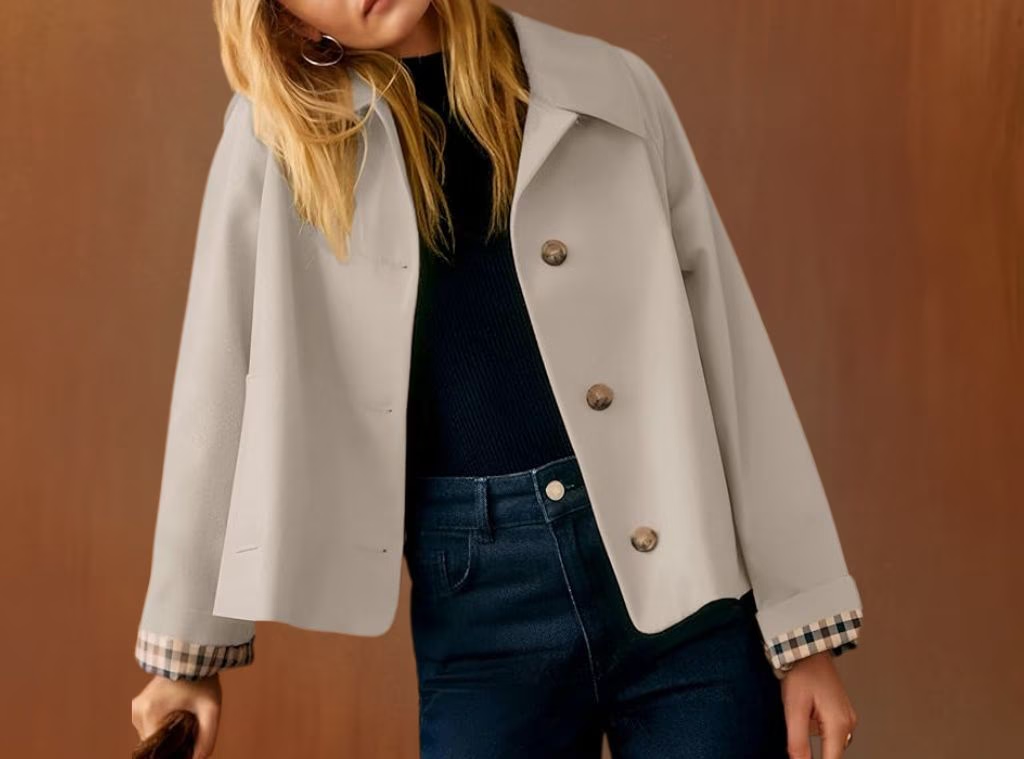
The better move is to build outfit formulas. Try wide-leg trousers, fitted tee, belt, and cropped jacket. Try straight jeans, button-down, loafers, and gold hoops. Formulas sound boring until you realize they remove stress while leaving room for mood and personality.
That is the secret most stylish people never say out loud. They repeat smart structures. They tweak color, jewelry, texture, and shape, but the backbone stays reliable. Repetition is not failure. It is taste with a memory.
Build Around Shape First, Then Add Personality
Before you chase trends, check the silhouette. Shape decides whether an outfit feels balanced or awkward. When the proportions click, even simple clothes look expensive. When they do not, no accessory can save the day.
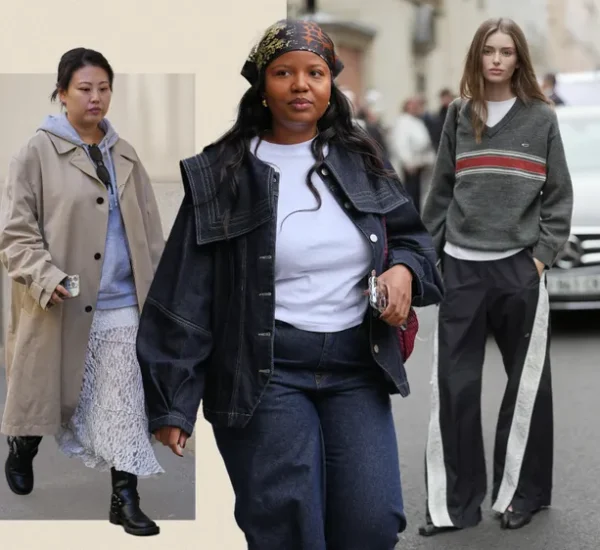
Start with the line your outfit creates. If you wear a loose top, give it cleaner bottoms. If your trousers run wide, keep the upper half more defined. If a dress flows, anchor it with a belt, cropped layer, or shoe that adds intention. Not every outfit needs drama. It needs direction.
One real-world example: an oversized blazer can either look editorial or borrowed from your cousin. The difference usually comes down to proportion. Pair it with a fitted tank, straight jeans, and a sharp shoe, and it looks considered. Throw it over equally bulky pieces, and the whole look loses shape fast.
Then add personality. Maybe that means a vintage bag, silver jewelry, a striped knit, or lipstick that does not whisper. Personal style should feel specific. Not loud for the sake of being loud. Just recognizably yours.
Color, Texture, and Contrast Make an Outfit Feel Current
After shape, color does the heavy lifting. A strong outfit often feels modern because the color story makes sense, not because every item came from the newest drop.
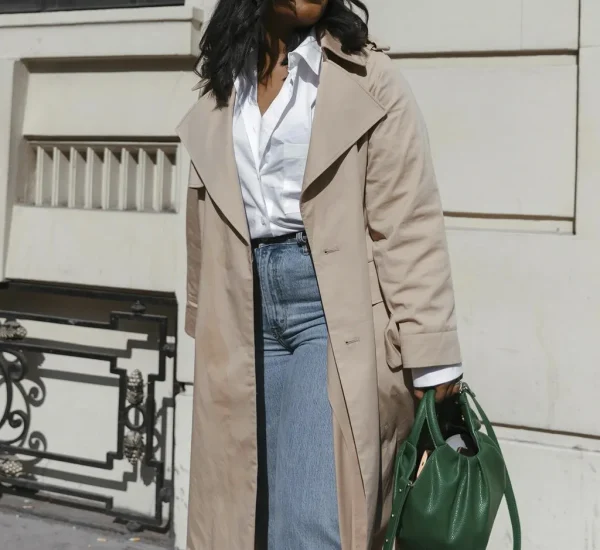
You do not need to dress like a trend report. You need tension in the right place. Mix soft with crisp. Pair denim with satin, cotton with leather, or tailored pieces with relaxed knits. Contrast wakes an outfit up. Too much matching can make even nice clothes feel flat.
This is also where chic outfit ideas stop being generic and start feeling personal. A navy trouser with a butter-yellow knit reads different from the same trouser with a black ribbed top and red flats. Same base. Different attitude. That kind of styling range gives a wardrobe real mileage.
Use trends as seasoning, not the whole meal. A popular color, a fresh shoe shape, or a modern bag can update your look fast. One current detail often does more than five loud ones fighting for attention.
Plan for Real Life, Not Fantasy Life
A stylish wardrobe should serve your calendar, not your daydreams. Too many people shop for a version of life they barely live, then wonder why half the closet stays untouched.
Count your actual week. Workdays, errands, dinners, school runs, travel, casual meetups, family visits. Once you see where your time goes, your wardrobe choices get sharper. If your life is mostly smart casual, buying eventwear every month makes no sense, no matter how tempting the checkout page looks.
This is why planning outfits by category works so well. Keep a few dependable work looks, a few polished casual looks, and two or three outfits ready for social plans. I know women who photograph their best combinations and save them in a phone album. Smart move. On tired mornings, memory is unreliable.
Style should ease pressure, not add more of it. When your wardrobe fits your real schedule, getting dressed feels less like a performance and more like self-respect. That is a much better use of clothing.
Confidence Is the Final Styling Layer
Clothes matter, but presence finishes the job. You can wear a beautiful outfit and still look uncertain if you keep tugging at the hem, adjusting the sleeve, or apologizing for taking up space.
Confidence grows from preparation. When you know the fit works, the shoe survives the walk, and the outfit matches the setting, you carry yourself differently. You stop negotiating with the mirror. You leave the house and get on with your life.
That is why personal style beats trend chasing in the long run. Trends can spark ideas. They can wake you up. Still, confidence comes from knowing what flatters you, what feels honest, and what helps you move through the day without costume energy. Big difference.
The best dressed person in the room often is not the one wearing the loudest look. It is the one who seems fully at home in it. Calm wins. Ease wins. Taste with backbone wins.
Conclusion
Here is the point most people miss: great style does not come from owning more. It comes from deciding better. Trendy outfit planning gives you that edge because it turns getting dressed from a daily guess into a repeatable skill.
You start noticing what earns its space, what throws off balance, and what quietly pulls everything together. That awareness saves money, saves time, and saves you from buying pieces that look exciting for six minutes and wrong for six months.
Fashion will keep changing. That is part of the fun. Your job is not to chase every shift. Your job is to build a wardrobe strong enough to absorb new ideas without losing your identity. That is how you stay current without looking like you are trying too hard.
So do not start with another shopping cart. Start with your closet. Edit it, map your best combinations, and wear them on purpose. Then, when you are ready to refine your next look, let Sapoo inspire the mood while you bring the judgment that makes the outfit yours.
FAQs
What is the best way to start planning outfits for the week?
Start by checking your calendar, not your closet. Match outfits to real events, weather, and travel time. Pick base pieces first, then shoes, then accessories. Save one backup look for chaotic mornings. Planning works best when it respects real life.
How many outfits should I plan in advance each week?
Plan five to seven complete looks if your schedule changes daily. If your week stays predictable, four strong outfits may cover most situations. The goal is not perfection. The goal is removing decision fatigue before it steals time and patience.
Can trendy outfits still work with a small wardrobe?
Yes, and often better. A smaller wardrobe forces you to buy pieces that mix well, fit well, and earn repeat wear. Trends become easier to test when your basics stay dependable. Restraint sharpens style faster than constant shopping ever will.
How do I make basic clothes look more fashionable?
Fit changes everything first. After that, add contrast through texture, shape, or accessories. A plain tee with tailored trousers, loafers, and bold earrings feels intentional. Basic clothing only looks dull when proportions fail or every piece plays too safely together.
What colors make outfits look more put together?
Neutrals create calm, but contrast creates energy. Navy, cream, black, tan, gray, and white give you range. Add one richer shade like burgundy, olive, or cobalt for character. The trick is balance, not rainbow chaos or lifeless sameness.
Should I follow fashion trends every season?
No. Follow the ones that suit your body, budget, and daily routine. Trends should refresh your wardrobe, not control it. One updated shoe, color, or jacket often does enough. When every trend enters at once, your style loses its voice.
How do I avoid buying clothes I never wear?
Pause before checkout and build three outfits in your mind using pieces you already own. If you struggle, walk away. Great purchases fit your life immediately. Hope is not a styling strategy, and fantasy versions of you do not pay rent.
What shoes work best for outfit planning?
Choose shoes that cover your actual week. A sleek flat, clean sneaker, low heel, and practical boot handle most wardrobes well. Shoes should support the mood of the outfit without limiting movement. Painful shoes make polished clothing feel instantly less convincing.
How can I dress chic without looking overdressed?
Keep one element relaxed. If the blazer looks sharp, choose easy denim. If the dress feels polished, add flatter shoes or a simple bag. Chic style feels balanced, not stiff. You want intention people notice, not effort people can hear.
Is it better to plan outfits by item or by occasion?
Plan by occasion first, then build around versatile items. Life gives context, and context creates better choices. A closet full of random favorites rarely forms strong outfits. When you dress for actual moments, every piece gains a clearer purpose.
How do accessories improve outfit planning?
Accessories finish the message. They can sharpen a plain outfit, soften a tailored one, or pull scattered pieces into one clean idea. Belts, earrings, watches, scarves, and bags matter because they create focus without demanding an entirely different wardrobe underneath.
What makes an outfit look intentional instead of accidental?
Intent shows when shape, color, and setting agree with each other. The clothes do not need to match perfectly. They need to make sense together. Good outfits look like choices, not leftovers, and that difference is obvious the second you walk in.