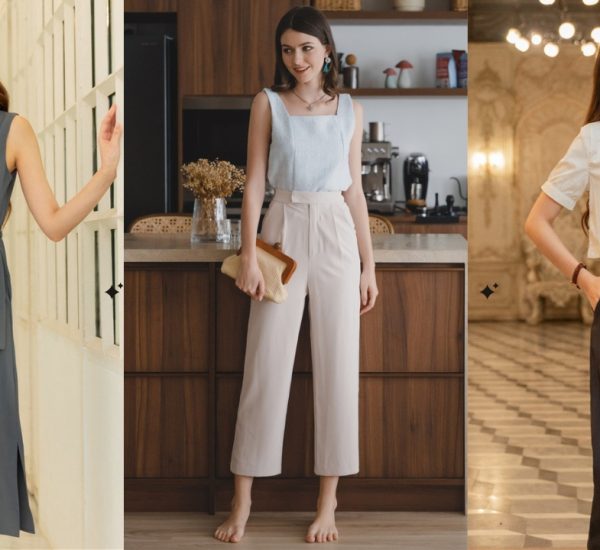
You do not need a bigger wardrobe. You need sharper judgment. Most daily outfits fail for one dull reason: people dress by habit, not intention, then wonder why the mirror feels rude before breakfast. Smart chic fashion tips are less about chasing trends and more about learning how clothes behave on a real body, in a real week, with real errands, work, weather, and mood swings.
That is where Sapoo steps in with styling support that feels practical instead of fussy. The best dressed women are rarely the ones buying the most. They are usually the ones who know which shapes calm an outfit down, which textures wake it up, and which pieces earn their place more than once. You can look polished on a Tuesday without dressing like you are headed to a fashion shoot. You can also stop mistaking “more” for “better.” Those are not the same thing.
The trick is simple, but not easy. You build daily style by making fewer sloppy choices. Once you understand proportion, repeat-worthy pieces, and the power of finishing details, getting dressed stops feeling random and starts feeling like a skill you actually own.
Table of Contents
- Build your outfit around shape, not impulse
- Use color like an adult, not a paint spill
- Make basics work harder than trend pieces
- Let shoes and bags do the heavy lifting
- Smart Chic Fashion Tips for Daily Dressing that survive real life
Build Your Outfit Around Shape, Not Impulse
Most outfit problems begin before color even enters the room. They start with shape. You throw on a loose shirt, wide trousers, flat shoes, then blame the clothes when the whole look feels sleepy. The issue is not the pieces by themselves. The issue is that none of them lead.
Strong daily style depends on balance. If your trousers carry volume, your top should usually bring some control. If your blazer has structure, your jeans can relax a little. That push and pull gives an outfit energy. When everything hangs, the look drifts. When everything grips, it feels tense. You want movement with a point of view.
I learned this the annoying way after wearing an oversized shirt over long straight trousers for weeks and calling it “minimal.” It was not minimal. It was shapeless. The fix took ten seconds: a half-tuck, a shorter jacket, and a belt. Suddenly the outfit had a waist, and I had a reason to stop side-eyeing every mirror.
Start with one anchor. It can be a tailored pant, a fitted knit, a cropped jacket, or a sharp shoulder. Then let the rest support it. Your clothes should not argue with each other at 8 a.m. They should know their roles and get on with it.
Use Color Like an Adult, Not a Paint Spill
Once shape starts working, color becomes your secret weapon rather than your public enemy. Most people either play too safe and dress like beige wallpaper, or they panic and throw in five tones that never planned to meet. Neither move helps you.
A chic daily outfit usually needs one calm base and one clear moment of interest. Navy with cream and tan works because the eye can rest. Black with soft blue works because it feels clean, not harsh. Even red can behave when the rest of the outfit stays disciplined. Color should guide the eye, not wrestle it.
This is where daily dressing ideas often go wrong online. You see a photo with emerald heels, lilac knitwear, silver accessories, and a printed bag, then forget that studio lighting and editing do half the job. Real life asks harder questions. Can you wear it to lunch, sit in it for hours, and repeat the formula next week without feeling like a costume?
Texture also changes color more than people admit. Matte fabrics read grounded. Satin catches light and raises the mood instantly. Denim cools down sweeter tones. Leather sharpens soft ones. That is why an all-neutral outfit can still look rich when the fabrics have contrast. When color feels confusing, let texture do some of the talking. It rarely lets you down.
Make Basics Work Harder Than Trend Pieces
A wardrobe full of statement items is fun for about eleven minutes. After that, you have a rail of dramatic pieces and nothing to wear on Wednesday. Daily style gets better when your basics stop behaving like background extras and start acting like the leads.
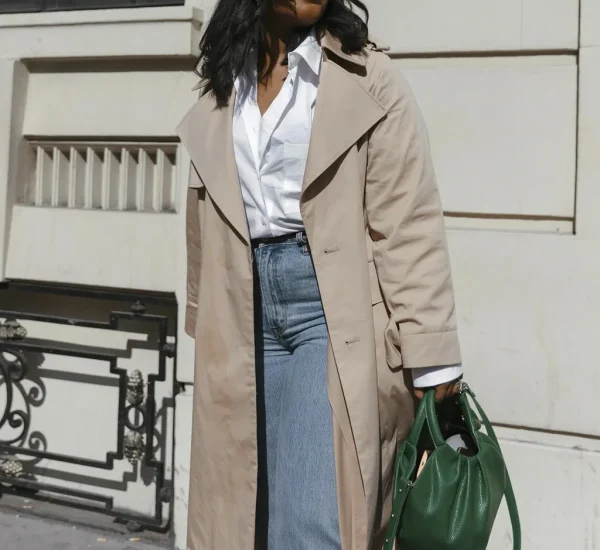
The right basics do not look boring on the body. They create room for your styling choices to matter. A white shirt with a clean collar, dark straight jeans, a smooth knit tank, a black trouser that actually fits at the waist, and a jacket with decent structure can carry you through more situations than a closet full of loud prints ever will. Quiet pieces do real work.
That does not mean trends are useless. It means trends need supervision. A butter-yellow cardigan, mesh flats, or a barrel-leg jean can wake up your wardrobe, but only if the rest of the outfit stays steady. One current piece is style. Four current pieces can look like you lost a bet.
Sapoo understands this balance well because good styling support should help you buy with restraint, not panic. Before you add something new, ask one tough question: can this item create at least three believable weekday outfits with what you already own? If the answer is no, it is probably just flirting with you. Cute, but not dependable.
Let Shoes and Bags Do the Heavy Lifting
By the time the clothes look sorted, accessories decide whether the outfit feels finished or just dressed. Shoes and bags carry more influence than many people think because they tell the world how seriously you took the rest of the look. They can sharpen, soften, relax, or cheapen an outfit in seconds.
A plain shirt and trousers can look almost forgettable with tired sneakers, then look composed with a sleek loafer or a low heel. The same thing happens with bags. A slouchy tote says one thing. A compact structured bag says another. Neither is always right or wrong. The point is to choose on purpose.
One real-world example proves this every time. Take a simple outfit: blue jeans, white tee, black blazer. Add chunky running shoes and a canvas tote, and the look leans casual and fast. Swap in pointed flats and a small leather shoulder bag, and suddenly you look like you thought ahead. Same base. Different ending.
This is also where daily dressing ideas become easier to repeat. You do not need to reinvent the full outfit every morning. Keep a few reliable finishers ready: one polished shoe, one relaxed shoe, one day bag, one cleaner evening option, and one belt that makes everything feel intentional. Details whisper. Still, people hear them.
Smart Chic Fashion Tips for Daily Dressing That Survive Real Life
A stylish outfit that collapses by noon is not a good outfit. It is a temporary illusion. Real daily dressing has to survive movement, weather, long hours, surprise plans, and the strange emotional crash that hits when your clothes looked better standing still. That is why the smartest style advice always respects real life.
Start by dressing for the hardest part of your day, not the easiest. If you commute, walk, carry things, sit for hours, or move between indoor air conditioning and hot streets, your outfit needs stamina. A beautiful shoe that punishes you by lunch is not chic. A top that needs constant adjusting is not elegant. It is needy.
The counterintuitive truth is that comfort often makes you look better, not worse. When your clothes sit right, you stand better. When your shoes support you, your pace changes. When your layers make sense, you stop fiddling. Presence reads as style because people notice ease before they notice labels.
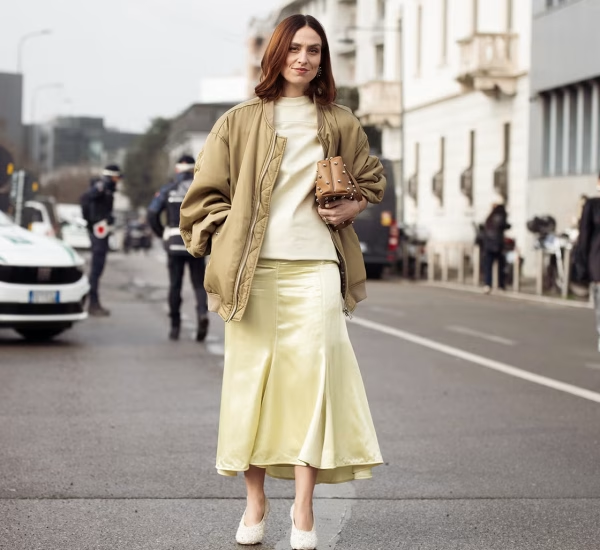
So build outfit formulas you can trust. Try one column of color with a jacket. Try straight jeans, a fitted top, and one strong accessory. Try a midi skirt with a neat knit and grounded shoes. Then repeat what works without guilt. The women who look chic every day are rarely inventing themselves from scratch. They are editing with discipline.
Conclusion
Great style does not begin in a store. It begins the moment you stop outsourcing your taste to trends, random sales, and social media mood boards that would fall apart in ordinary daylight. Smart chic fashion tips matter because they teach you how to dress with clarity, not noise. That shift changes everything.
The best daily dressing has backbone. It respects your schedule, flatters your shape, and still leaves room for personality. It also saves you time, which might be the most underrated fashion benefit of all. When you know your formulas, your mornings feel lighter and your wardrobe starts pulling its weight. That is a smarter kind of confidence than any impulse purchase can buy.
Sapoo can help turn that confidence into a system you actually use. Take one hour this week, audit the pieces you reach for, remove the ones that keep disappointing you, and build three repeatable outfits from what remains. Then style from there, not from chaos. Your next step is simple: dress with intent, shop with standards, and let every outfit earn its place.
What are the best smart chic fashion tips for daily dressing on a budget?
You do not need expensive clothes to look put together. Buy fewer pieces, focus on fit, repeat strong basics, and save trend spending for one accent item. A clean shoe, neat bag, and good tailoring will beat flashy shopping almost every time.
How can I look chic every day without wearing heels?
You can look polished in flats if the rest of the outfit holds its shape. Choose loafers, pointed flats, sleek sneakers, or low boots with clean lines. The trick is intention. Flat shoes look stylish when they finish an outfit instead of apologizing.
What colors make daily outfits look more chic and expensive?
Deep navy, cream, black, chocolate, olive, soft gray, and muted white usually read refined because they pair easily and keep visual noise low. Rich color also depends on fabric. A simple tone in good texture often looks far better than loud shades.
How do I build a daily wardrobe that still feels stylish?
Start with pieces you can repeat without getting bored: straight jeans, tailored trousers, crisp shirts, fitted knits, an easy jacket, and dependable shoes. Then add personality through jewelry, bags, and color. Style grows faster when your foundation stops fighting you daily.
Why do some outfits look messy even when the clothes are nice?
Nice clothes cannot save poor balance. Outfits look messy when shape, length, color, and texture all compete at once. A loose top with loose bottoms often sags. Too many details also clutter the eye. Good style usually comes from editing, not adding.
How can I dress chic for daily errands and still stay comfortable?
Dress for movement first, then sharpen the look with one clean detail. Try straight jeans, a soft knit, supportive flats, and a structured bag. Comfort matters because fidgeting ruins presence. When clothes stay put, you appear more composed without trying too hard.
What fashion mistakes make everyday outfits look cheap?
The biggest mistakes are poor fit, wrinkled fabric, overdone logos, tired shoes, and too many trend pieces in one outfit. Cheap-looking style usually comes from neglect, not price. Clean finishes, simple combinations, and a bit of restraint make everything look stronger.
Can oversized clothing still look chic for daily wear?
Oversized pieces can look great when one part of the outfit keeps control. Pair a roomy shirt with straighter trousers or wide pants with a fitted knit. The goal is shape, not bulk. Volume works best when it feels chosen, not accidental.
How many accessories should I wear for a chic everyday look?
Most daily outfits need only two or three clear accessories. That could mean earrings, a watch, and a bag, or sunglasses, a belt, and simple rings. Too many extras muddy the message. Strong styling often comes from knowing when to stop.
What shoes work best for smart chic fashion tips for daily dressing?
The most useful shoes are loafers, pointed flats, sleek ankle boots, clean leather sneakers, and low block heels. Each pairs well with basics and adds polish fast. Pick styles you can actually walk in, because pain never reads as sophistication.
How do I stop buying clothes I never end up wearing?
Slow down before buying and test every item against your real week. Ask what it matches, where you would wear it, and whether it works with your best shoes. If you cannot build three outfits quickly, leave it behind for now.
Is it better to follow trends or stick to classic daily style?
Classic style wins for daily dressing because it repeats well and ages better. Trends still have value when used with restraint. Let timeless pieces carry the outfit, then add one current touch. That balance keeps your look fresh without losing yourself.