
A bag should not boss your outfit around. The best one works with your day, not against it, and that is exactly why strap bags have moved from small style detail to smart wardrobe decision. One purchase can cover a coffee run, a work meeting, a weekend market, a dinner plan, and a carry-on scramble at the airport without looking out of place.
American shoppers are getting sharper about fashion value, too. A closet packed with “almost right” bags feels wasteful when one better piece can solve five daily problems. That is where smart style choices for modern buyers start to matter, because the right accessory does more than match an outfit. It changes how easy the outfit feels to live in.
The real charm is control. You can shorten the strap, remove it, cross it over the body, carry it by hand, or let it sit neatly on the shoulder. That small shift can change the whole mood. A bag that adapts becomes less like a purchase and more like a quiet helper you reach for again and again.
Why One Bag With Several Carry Options Feels So Practical
Style starts looking different when your day has no clean lines. You may leave home with a laptop, stop for groceries, meet someone for dinner, and still need your hands free while answering messages. One bag shape cannot fix every moment, but a smarter strap system can come close.
The Real Value Is Not the Extra Strap
A spare strap sounds simple, almost boring, until you are walking six blocks from a parking garage with a full bag on one shoulder. Then the option to switch into a crossbody carry feels less like fashion and more like common sense. Comfort becomes part of the design, not an afterthought.
Adjustable shoulder bags work because they respect movement. A longer strap helps when you need security in a busy downtown area. A shorter drop feels cleaner when you are walking into a restaurant or office. The bag does not need to change its whole identity. It needs to meet the moment without making you think too hard.
A good example is a small leather satchel used for work during the week and brunch on Saturday. With the strap clipped on, it feels useful and hands-free. With the strap removed, it turns into a polished top-handle bag. The shape stays the same, but the message changes.
That is the hidden bargain. You are not paying for a gimmick. You are buying range.
Fewer Bags Can Create Better Outfits
A crowded closet can make dressing harder, not easier. Too many similar bags compete for attention, and most of them only work with one narrow outfit type. The result is familiar: you own plenty, yet still feel like nothing fits the day.
Multiway handbags reduce that noise. They give you fewer decisions in the morning because one piece can cover several outfit moods. With jeans and sneakers, a crossbody strap makes the look relaxed. With trousers and a blazer, a shoulder carry feels more finished. With a dress, a hand-held style can look intentional without buying a separate evening bag.
This matters for shoppers in cities like Chicago, Dallas, Atlanta, and Los Angeles, where people often move between casual and polished settings in one day. Nobody wants to haul a second bag in the car because the first one stops making sense after 5 p.m.
The counterintuitive part is that one adaptable bag can make your wardrobe look larger. It changes the frame around your clothing, so repeated outfits feel less repeated.
How Strap Design Changes Comfort, Shape, and Daily Use
A bag may look beautiful on a product page and still annoy you after ten minutes outside. The strap decides much of that experience. Width, length, hardware, padding, and placement all affect how the bag sits against your body and how often you reach for it.
Why Adjustable Shoulder Bags Matter for Real Life
A strap that cannot be adjusted assumes every person has the same height, coat thickness, shoulder slope, and carrying habit. Real life does not work that way. A petite shopper wearing a summer tee needs a different drop than a taller shopper wearing a winter coat in Boston.
Adjustable shoulder bags solve that gap with simple flexibility. You can raise the bag so it rests closer to the ribs, which often feels safer in crowded places. You can lower it when layering over a coat. You can shorten it for shoulder carry when you want the bag tucked neatly under your arm.
Hardware quality matters here. Thin buckles, weak clips, and stiff sliders can make a bag feel cheap no matter how nice the exterior looks. Better bags use hardware that moves smoothly and holds its position once adjusted. That small detail separates a bag you use weekly from one that slowly disappears to the back of the closet.
A strap should not punish you for carrying normal things. Keys, wallet, lip balm, sunglasses, phone charger, hand sanitizer, and a small notebook add weight fast. The strap has to support that weight without digging into your shoulder.
Crossbody Bag Styles Give You Hands-Free Control
Crossbody bag styles earn loyalty because they free your hands while keeping the bag close. That sounds simple, but it changes how you move through a day. You can hold coffee, open a rideshare door, carry a child’s jacket, check your phone, or browse a store without shifting your bag every few seconds.
The best crossbody setup sits flat enough that the bag does not bounce with every step. It should land at a natural point near the hip or upper thigh, depending on your height and preference. Too high can feel cramped. Too low can swing and pull.
This is where strap attachment points matter. A bag with well-placed side hooks usually hangs better than one with awkward top clips. Poor placement can twist the bag against the body, making even a good-looking design feel clumsy.
For travel days, the benefit grows. At an airport, a crossbody carry keeps essentials close while your hands deal with boarding passes, snacks, luggage handles, and security bins. A detachable strap purse can shift later into a neater dinner look once you reach the hotel.
Small design choices become big comfort choices when your day runs long.
Choosing Materials and Shapes That Do Not Date Quickly
A convertible bag only makes sense if the base design has staying power. Straps can change the function, but the body of the bag still carries the visual weight. Shape, texture, color, and finish decide whether the piece feels fresh for one season or useful for several years.
Multiway Handbags Work Best in Clean Shapes
Trendy shapes can be fun, but they often fight against the whole point of adaptability. If the bag body is too odd, too loud, or too tied to one season, changing the strap will not save it. Clean shapes give the strap system room to do its job.
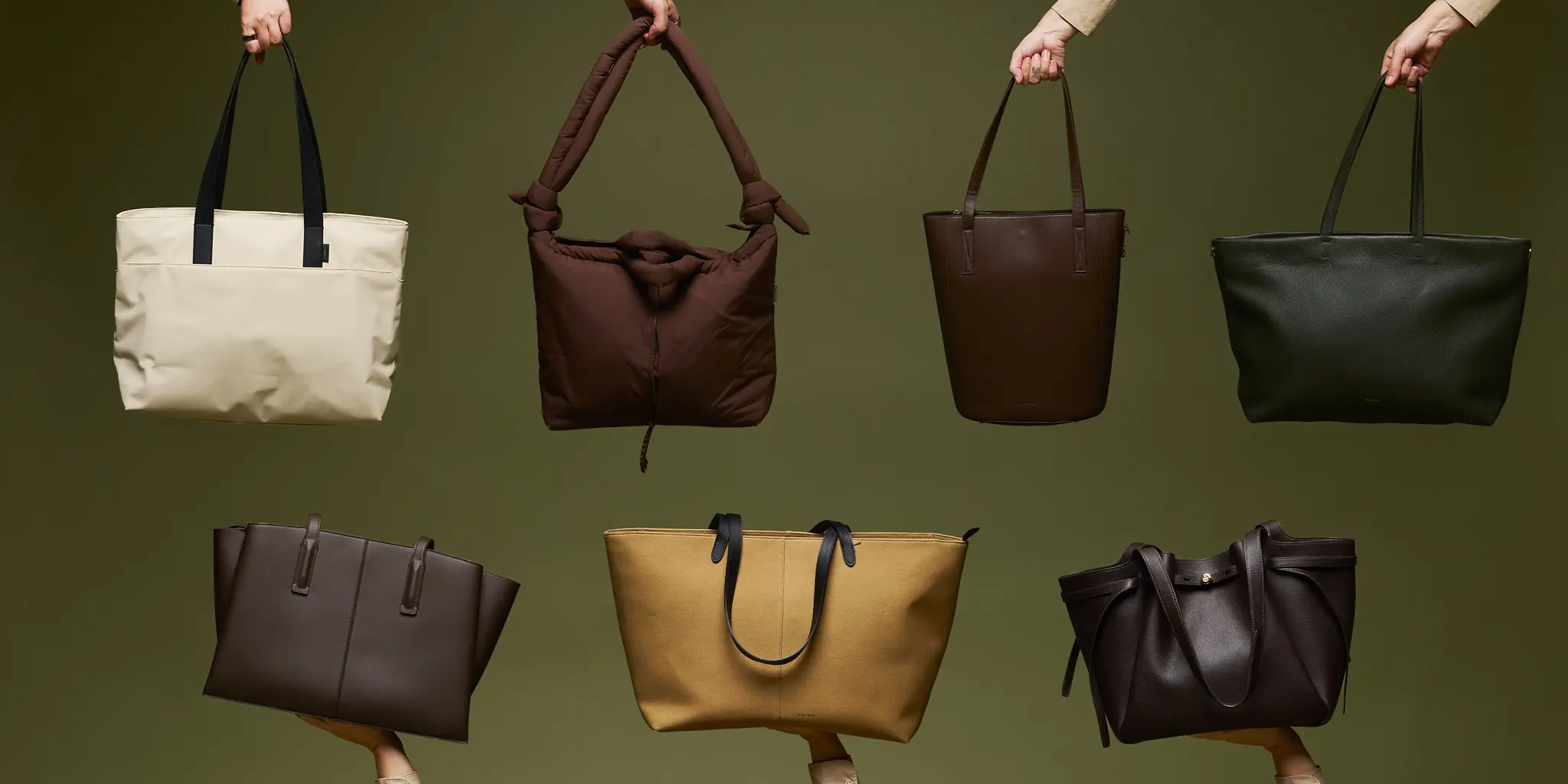
Multiway handbags tend to work best as structured rectangles, soft buckets, compact satchels, camera bags, or small totes. These shapes already have a clear purpose. The strap options then add new settings without confusing the look.
A black or tan structured bag can move from office to dinner with almost no effort. A soft suede bucket in brown or olive feels relaxed for weekends, yet still polished enough for lunch. A cream camera bag can brighten denim, trousers, and knit dresses without shouting for attention.
Texture matters as much as color. Pebbled leather hides scratches better than smooth leather. Nylon can look sporty and modern when the hardware feels clean. Canvas works well for casual outfits, though it may feel too relaxed for dressier use.
The smartest choice is not always the most expensive one. It is the one whose shape does not trap you.
A Detachable Strap Purse Should Still Look Finished Without the Strap
Some bags look incomplete once the strap comes off. The clips hang awkwardly, the handle feels too small, or the attachment rings sit in strange places. That defeats the purpose. A detachable strap purse should look designed in both modes.
When testing one, look at the bag with every strap removed. Does it still have a clean silhouette? Can you carry it by hand without feeling like something is missing? Do the metal rings blend into the design, or do they look like leftover hardware?
This matters most for weddings, dinners, work events, and evenings out. You may want the practical strap during the ride, then remove it once you arrive. The bag should not look like it changed into a lesser version of itself.
A strong example is a mini top-handle bag with hidden side rings. During the day, the strap turns it into an easy crossbody. At night, the handle takes over and the rings fade into the design. Nothing feels improvised.
The unexpected lesson is simple: the removable part should never be the only interesting part.
How to Buy One Convertible Bag That Actually Earns Its Price
A flexible bag can save money, but only when you buy with discipline. The wrong one becomes another “good idea” purchase that never leaves the closet. The right one earns its price through repeat use, outfit range, and comfort you notice only after a few months.
Test the Bag Against Your Real Week
A bag should fit your life before it fits your fantasy version of life. If you work from home, run errands by car, and dress casually most days, you may not need a sleek office satchel. If you commute by train in New York or Washington, D.C., security and hands-free carry may matter more than a delicate finish.
Crossbody bag styles are a strong choice for commuters, travelers, parents, students, and anyone who walks often. Shoulder carry works better for polished outfits and quick stops. Hand carry feels dressier but becomes tiring if the bag is heavy.
Before buying, picture three normal days. Not special days. Normal ones. Think about what you carry, where you go, how long you walk, and what outfits you repeat. A bag that works for those days will probably earn its place.
Size deserves honesty, too. A tiny bag may look sharp but fail the moment you need sunglasses and a charger. A large bag may seem practical but become a dumping ground. The sweet spot is big enough for essentials and small enough to stay organized.
A purchase becomes smarter when it starts with your habits instead of a sale price.
Small Hardware Details Reveal Long-Term Quality
The strap system takes more stress than most shoppers realize. Clips open and close. Buckles slide. Rings pull against seams. Stitching carries weight at the same points again and again. Weak hardware turns a promising bag into a short-term fling.
Look for smooth zippers, firm stitching around the strap anchors, and metal clips that close with a clean snap. Plastic hardware can work on casual nylon bags, but it should still feel solid. On leather or faux leather bags, flimsy clips make the entire piece look less refined.
A detachable strap purse should also include a strap that matches the bag’s mood. A thin chain may look pretty but can dig into the shoulder. A wide webbing strap can feel comfortable but may make a dressy bag look too casual. Some of the best designs include two straps, one polished and one practical.
This is where value becomes personal. Spending more on one bag that you carry four days a week often makes more sense than buying three cheaper bags that each solve one small problem.
The best test is boring but honest: would you still want the bag if nobody complimented it? If the answer is yes, you are probably looking at the right one.
Conclusion
A flexible wardrobe does not come from owning more. It comes from owning pieces that can shift without losing their character. Bags are a perfect place to start because they affect comfort, outfit tone, and daily ease in one visible move.
The strongest choice is not the flashiest design on the shelf. It is the one you can carry on a Tuesday morning, adjust for a Saturday afternoon, and still trust when plans change at the last minute. That is why strap bags deserve attention from anyone tired of buying accessories that only work once in a while.
Choose clean shapes, honest materials, sturdy hardware, and strap options that match your actual week. Skip anything that looks clever but feels awkward in your hand or on your shoulder. A good convertible bag should make you feel prepared without making your outfit feel overplanned.
Buy the bag that can keep up with your real life, then let it prove its worth one wear at a time.
Frequently Asked Questions
What makes a convertible bag better than a regular handbag?
A convertible bag gives you more carry choices from one purchase. You can wear it crossbody, over the shoulder, by hand, or sometimes as a clutch. That range makes it easier to match different outfits, activities, and comfort needs without buying several separate bags.
Are adjustable shoulder bags comfortable for everyday use?
They can be comfortable when the strap has enough width, smooth hardware, and a secure adjustment system. The best designs let you change the strap length for coats, body height, and walking comfort, so the bag does not pull awkwardly or dig into one spot.
How do I choose the right size for a multiway handbag?
Start with what you carry on a normal day. Your phone, wallet, keys, sunglasses, charger, and small personal items should fit without forcing the zipper. Avoid going too large unless you truly need extra space, because oversized bags often become cluttered fast.
Can crossbody bag styles look polished enough for work?
Yes, especially in structured shapes, neutral colors, and cleaner materials like pebbled leather or smooth faux leather. A slim crossbody can look polished with trousers, blazers, knit dresses, and office flats when the hardware and strap do not feel too sporty.
Is a detachable strap purse good for travel?
It is a strong travel option because it can shift between hands-free function and a cleaner evening look. Use the strap during airport movement, sightseeing, or shopping, then remove it for dinner or events where a smaller hand-held style feels more appropriate.
What colors are best for a convertible bag?
Black, tan, chocolate brown, taupe, navy, cream, and olive tend to work across more outfits. Neutral shades make the different strap options feel more natural. A bold color can work too, but it may limit how often the bag fits your wardrobe.
How can I tell if the strap hardware is strong?
Check the clips, rings, buckle, and stitching around every attachment point. Good hardware feels firm, closes smoothly, and does not wiggle loosely under light pressure. Reinforced stitching near the strap anchors is also a strong sign that the bag can handle daily use.
Should I buy one expensive convertible bag or several cheaper bags?
One well-made convertible bag often gives better value if you will use it several times a week. Several cheaper bags can make sense for trend colors or occasional outfits, but daily-use bags need stronger hardware, better comfort, and a shape you will not tire of quickly.