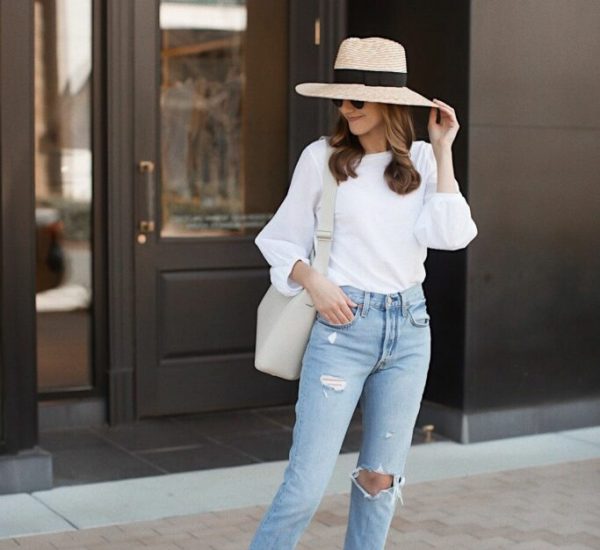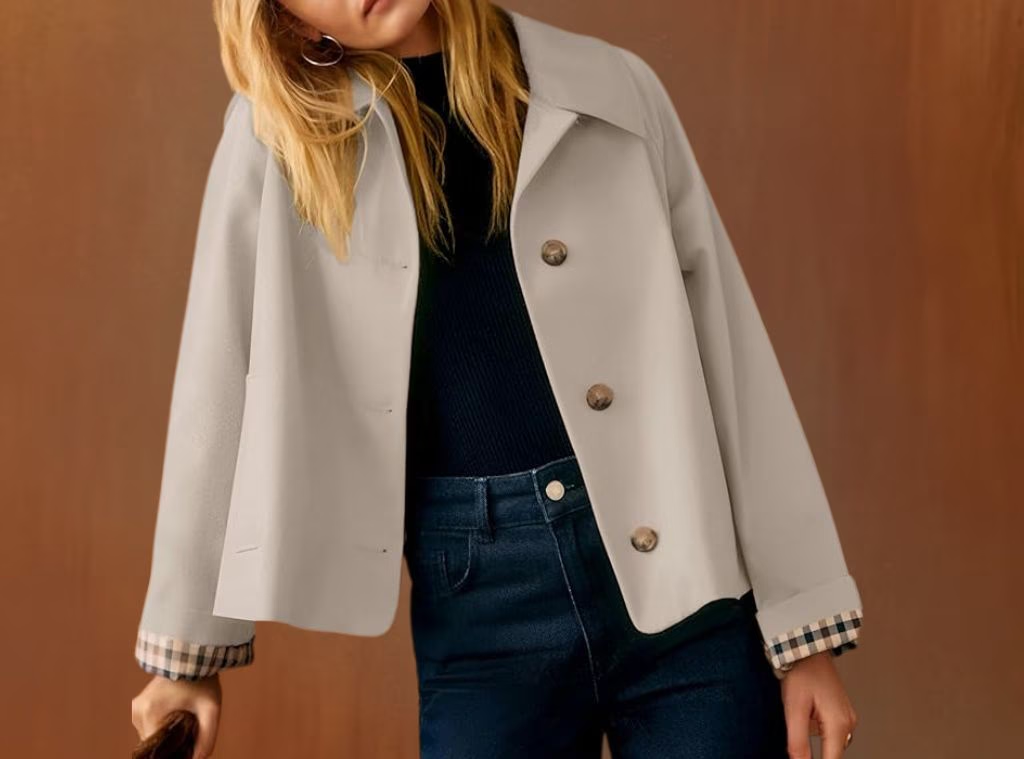
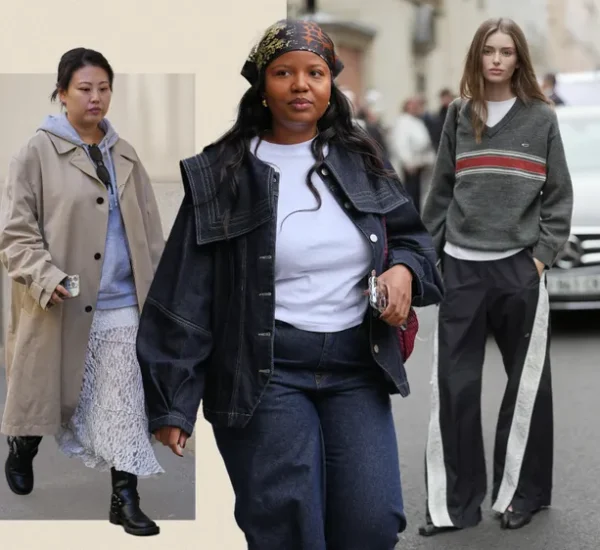
Most style mistakes start before color, before trends, before accessories. They start with shape. If the cut is wrong, the outfit never settles. It fidgets. It pulls. It makes you tug at sleeves and rethink your choices before lunch. That is why the smartest wardrobes start with silhouettes that respect your body and your day.
A good straight-leg trouser beats five trendy pieces you barely trust. A relaxed button-down with structure at the shoulder gives you room without looking careless. A midi dress that skims instead of clings does more for your presence than any loud print ever will. Fit is not a boring detail. It is the whole argument.
I once watched a friend swap a skin-tight blazer for one with clean lines and a slightly longer length. Same person, same meeting, same shoes. She looked ten times sharper. That is the power of shape. Small change, massive difference.
When you shop at Sapoo, think in terms of outline first. Ask what the piece does from ten feet away. Does it create balance? Does it sharpen your frame? Does it move well when you walk? Those questions matter more than whatever trend is shouting online this week. Fashion should support you. Not distract from you.
Pick Colors That Make Daily Dressing Easier
Once the shape works, color decides whether your wardrobe feels calm or chaotic. People love to talk about “statement shades,” but most everyday style improves when your palette stops arguing with itself. You do not need dull clothes. You need colors that cooperate.
Neutrals do the hard labor here. Cream, charcoal, navy, tan, olive, and black earn their keep because they mix fast and fail rarely. Then you bring in one or two signature shades that flatter your skin and feel like you. Maybe that is rust, soft blue, berry, or muted green. The point is not to own every color. The point is to know your colors.
This is where best chic looks start to feel easy rather than forced. A navy trouser with an ivory knit always looks thoughtful. A camel overshirt over a black dress gives depth without noise. Even denim looks richer when paired with colors that hold their own instead of competing.
I am opinionated about this: random bright pieces often waste money. They charm you in the store, then sit untouched because they match nothing. Better to buy one strong accent bag or scarf than a closet full of impulsive color experiments.
Your wardrobe should behave like a good playlist. Different moods, same taste. Once your colors make sense together, getting dressed stops feeling like a daily negotiation.
Use Texture and Layers to Create Interest
A stylish outfit does not need six accessories or a wild print. Often, it just needs texture. Texture is what saves simple clothes from looking flat. It adds character without begging for attention, which is exactly what everyday fashion should do.
Think about the difference between a plain cotton tee and a ribbed knit top. Both are simple. One has more presence. The same goes for a linen shirt, a soft wool coat, or a satin skirt under a chunky cardigan. You are not piling things on for the sake of it. You are building contrast that the eye enjoys.
Layers matter for another reason: they make outfits adaptable. Morning chill, warm afternoon, over-air-conditioned office, evening dinner plans. Real life shifts. Your outfit should keep up. A fitted tank under an open shirt, topped with a light trench, gives you options without sacrificing polish.
The trick is restraint. Too many competing textures can make you look overdone. One rough, one smooth, one structured piece often does the job. That balance feels adult. It feels intentional.
Sapoo pieces work well when you treat them like building blocks instead of one-time looks. A soft knit vest over a crisp shirt can change the mood of familiar trousers. A belted outer layer can rescue a plain outfit in seconds. Texture is subtle, but its effect is not. Quiet detail wins.
Make Shoes and Bags Do the Heavy Lifting
If clothes create the outline, shoes and bags decide whether the outfit lands. I do not say that lightly. You can wear a modest, repeating uniform and still look sharp if your accessories pull their weight. You can also ruin a good outfit with lazy finishing choices. It happens every day.
Shoes speak first. Clean loafers make jeans look smarter. Minimal sneakers keep tailored pieces from feeling stiff. A low block heel adds shape without punishing your feet. Ignore the myth that pain equals elegance. It is nonsense. The best shoe is the one you can actually walk in without becoming angry by noon.
Bags work the same way. A structured tote makes even soft outfits look more settled. A crossbody with simple hardware can sharpen casual dressing. What you want is purpose. Not clutter. Not logos screaming across the room. Just one solid piece that feels considered.
One of the clearest signs of personal style is repetition in good taste. The woman who wears the same polished black flats three days a week often looks better than the one rotating through chaotic options that match nothing.
This is also where Best Chic Looks for Everyday Fashion Wear becomes practical, not just pretty. If your shoes and bag are reliable, half your outfit stress disappears. That is not glamorous advice. It is better. It works.
Dress for Your Real Life, Not Your Fantasy Self
The most stylish people I know are brutally honest about their routines. They do not buy for imaginary brunches, imaginary offices, or imaginary versions of themselves. They buy for school runs, client calls, grocery stops, coffee meetings, long commutes, and sudden dinner plans. That honesty is the foundation of great daily style.
Fantasy shopping is expensive. You buy satin trousers for a life that mostly requires breathable cotton. You buy dramatic heels for streets that punish them. You buy tiny bags and then carry a second ugly tote for everything that did not fit. None of that is chic. It is just bad planning dressed up as taste.
Your wardrobe should match your calendar. If you move a lot, choose fabrics that travel well and recover fast. If you work in mixed settings, build outfits that shift with one change of shoe or jacket. If your mornings are rushed, repeat formulas that already proved themselves.
A friend of mine keeps a personal uniform: wide-leg trousers, tucked knit, gold hoops, structured bag. She changes colors and textures, not the formula. People think she is endlessly stylish. Really, she is disciplined. That is the secret nobody wants to hear.
Sapoo fits into this approach because service means more than selling clothes. It means helping you dress like your life is happening now. Wear what supports the life you have, and style stops feeling like performance.
The good news is that everyday chic does not ask for perfection. It asks for clarity. Once you stop chasing random pieces and start building around shape, color, texture, and real-life function, your wardrobe finally starts making sense. That is when dressing gets lighter, faster, and a lot more satisfying. Best Chic Looks for Everyday Fashion Wear is not about becoming someone else. It is about presenting your best self with less effort and better decisions.
I believe most people need fewer clothes and stronger standards. Buy the blazer that fits your shoulders. Keep the loafers that survive real days. Repeat the color combinations that always make you feel awake and put together. Then refine from there. Not every outfit needs applause. It needs to serve you well.
Sapoo can be a smart next step if you want pieces that feel current without becoming disposable. Start with one outfit formula you can trust, then build outward with patience. Style grows through repetition, editing, and honesty. So open your wardrobe, be ruthless about what does not earn its place, and choose looks that work as hard as you do.
How can I build a chic everyday wardrobe on a budget?
Start with pieces that repeat well: trousers, denim, a white shirt, a knit, and clean shoes. Buy fewer trend items and better basics. A tight budget rewards discipline. Chic style comes from smart editing, not from buying a mountain of average clothes.
What colors work best for chic everyday fashion wear?
Choose a base of navy, black, cream, tan, or olive, then add one or two shades that flatter you. This makes outfit planning easier and cuts waste. Clothes look more polished when your colors cooperate instead of fighting for attention daily.
How do I make casual outfits look more elegant every day?
Focus on fit first, then upgrade one finishing detail. Swap flimsy shoes for loafers, add a structured bag, or tuck your top properly. Small changes matter. Casual looks turn elegant when everything appears intentional, clean, and balanced from head to toe.
Which shoes are best for chic everyday style without discomfort?
Pick shoes you can actually wear for hours: loafers, sleek sneakers, ankle boots, or low block heels. Comfort matters because discomfort shows in your posture. The chicest shoe is not the fanciest one. It is the pair that keeps you steady and polished.
How can I dress chic every day without following trends?
Build your style around shape, fabric, and consistency rather than trend cycles. Trends expire fast, but a sharp blazer and good trousers keep showing up for years. You will look stronger when your wardrobe reflects your taste instead of somebody else’s feed.
What are the best fabrics for everyday chic outfits?
Look for cotton, linen blends, soft wool, denim, and quality knits because they wear well and add character. Fabric changes everything. Even a simple outfit looks richer when the material has texture, drape, or structure that feels good on your body.
How do I choose chic outfits that suit my real lifestyle?
Audit your actual week before you shop. Count workdays, errands, social plans, weather, and travel time. Then buy for those realities. Style gets easier when your wardrobe matches your calendar instead of a fantasy version of how you wish life looked.
Can accessories really improve everyday fashion wear that much?
Yes, and sometimes more than clothes do. A neat bag, clean belt, and reliable shoes can rescue an ordinary outfit fast. Accessories finish the message. They tell people whether your style is considered, rushed, playful, polished, or just not thought through.
How many outfits do I really need for an everyday chic wardrobe?
You need enough strong combinations, not endless pieces. Ten to fifteen reliable outfit formulas can cover most weeks well. Repetition is not failure. It is style maturity. People remember confidence and consistency far more than they remember constant wardrobe rotation.
What mistakes make everyday outfits look messy instead of chic?
Poor fit, tired shoes, random colors, over-accessorizing, and buying for fantasy occasions cause most problems. Another common mistake is ignoring fabric quality. Messy outfits rarely fail for one dramatic reason. They fall apart because several small choices quietly undermine each other.
Is oversized clothing still chic for everyday fashion wear?
Yes, when balance leads the outfit. Oversized trousers need a cleaner top line, and a roomy shirt benefits from sharper bottoms or defined accessories. Volume is not the enemy. Lack of proportion is. Chic dressing means controlled shape, not fabric swallowing you whole.
Where should I shop for chic everyday fashion pieces online?
Shop where fit, fabric, and repeat wear matter more than hype. Sapoo is worth considering if you want pieces that feel polished and wearable. The right store helps you build real outfits, not just collect random items that photograph well once.